

tempered glass oem
Understanding the Main Water Valve A Key Component in Home Plumbing The main water valve is an essential element in residential plumbing systems, serving as the gateway to water supply for the entire household. Located where the main water line enters the home, this valve plays a critical role in controlling the flow of water, preventing leaks, and ensuring the overall safety of water usage in households. In this article, we will explore the function of the main water valve, how to identify it, and the procedures for properly operating and maintaining this vital component. What Is the Main Water Valve? The main water valve is a valve that regulates the amount of water flowing into a home from the municipal water supply. Typically made from materials like brass, copper, or PVC, the main water valve can take various forms, with the most common types being gate valves and ball valves. Gate valves have a wheel that needs to be turned to open or close the valve, while ball valves use a lever that can be flipped to control water flow quickly. Knowing which type you have is crucial in emergency situations. Why Is the Main Water Valve Important? The main water valve serves several important functions. First and foremost, it allows homeowners to shut off the water supply during plumbing emergencies, such as a burst pipe or a leaking appliance. This capability can prevent extensive water damage and expensive repairs. Additionally, the valve is instrumental during plumbing installations, maintenance, or emergencies, ensuring that no water flows while work is being performed. Moreover, in regions where water may experience contamination or where the supply might be affected by natural disasters, being able to quickly shut off the main valve can protect the health and safety of all household members. By limiting the access to water during these crises, homeowners can mitigate risk. Locating Your Main Water Valve Finding your main water valve is the first step to ensuring you can manage your water system effectively. In most homes, the valve is located near the perimeter of the house where the main water line enters . Common locations include basements, crawl spaces, or even outside walls. If you have trouble locating it, follow the main water line from the street; it usually leads directly to the valve. main water valve Generally, the main valve can be identified by its size and the fact that it is connected to the water line. If you're uncertain, consult your home’s plumbing blueprint or seek assistance from a professional plumber. Operating the Main Water Valve Operating the main water valve is relatively straightforward and should always be done cautiously. To close the valve, turn the handle clockwise (right). Depending on the type of valve, it may require several turns to fully shut off the water supply. To open the valve, turn the handle counterclockwise (left). Always ensure that you operate the valve slowly to prevent sudden pressure changes that may damage your plumbing system. Maintenance and Precautions Regular maintenance of the main water valve is crucial to ensure its proper functioning. Homeowners should periodically check for leaks around the valve and confirm that it operates smoothly. If the valve is stiff or difficult to turn, it may require lubrication or replacement. It is also wise to periodically test the valve by turning it off and on to ensure that it is not stuck. When dealing with the main water valve, always keep safety in mind. Wear protective clothing when operating the valve and ensure that you have necessary tools on hand, such as a wrench. If you encounter significant resistance, or if the valve does not operate as expected, it’s advisable to contact a licensed plumber for assistance. Conclusion In summary, the main water valve is a critical component of any plumbing system, providing control over the water supply and playing a vital role in emergency management. By understanding its functionality, location, and maintenance needs, homeowners can better prepare for potential plumbing issues, ensuring the safety and efficiency of their water systems. Regular inspections and proactive care of the main valve can significantly reduce the risk of water damage and costly repairs, making it an essential element of responsible home ownership.
about
tempered glass oem
Understanding the 16% Globe Valve A Critical Component in Fluid Control When it comes to managing the flow of fluids in various industrial applications, valves play a crucial role. Among the many types of valves available, the globe valve stands out for its effectiveness in regulating fluid flow. This article will delve into the specifics of the 16% globe valve, its design features, applications, and advantages that make it a popular choice in numerous industries. What is a Globe Valve? A globe valve is a type of linear motion valve that is used to start, stop, or regulate the flow of liquid or gas. The design of the globe valve consists of a spherical body with a movable disc or plug that acts against a stationary ring seat. This configuration allows for significant control over fluid flow, making it an excellent choice for throttling applications. The 16% Globe Valve Explained The term 16% globe valve typically refers to the flow characteristic of the valve. Specifically, a 16% globe valve is designed to have a flow coefficient (or Cv) that allows for a 16% change in flow rate relative to an adjustment in the valve positioning. This feature is particularly useful in applications where precise flow regulation is necessary. This design aspect enables operators to fine-tune fluid flow according to the needs of the system, enhancing overall operational efficiency. Construction and Design Features The construction of a 16% globe valve includes key components that contribute to its functionality 1. Body The valve body is often made from high-quality materials such as stainless steel, brass, or cast iron, depending on the application requirements. The robust body design supports high pressure and temperature applications. 2. Disc/Plug The disc or plug is usually made from durable materials to withstand wear and tear. Its design is critical for controlling the flow rate and preventing leakage. 3. Seat The seat is the component against which the disc compresses to create a seal. A well-designed seat enhances performance by ensuring minimal leakage when the valve is closed. 4. Bonnet The bonnet provides access to the internal components for maintenance and facilitates the connection to an actuator or manual control mechanism. 16 globe valve 5. Actuation Globe valves can be either manually operated or automated using electric or pneumatic actuators, making them versatile for various applications. Applications of 16% Globe Valves 16% globe valves are commonly found in various industries, including - Oil and Gas They regulate the flow of crude oil, natural gas, and refined products within pipelines. - Water Treatment In water treatment facilities, these valves control the flow of water and additives in the purification process. - Chemical Processing They manage the flow of raw materials and chemicals throughout processing plants. - HVAC Systems Globe valves are used to maintain appropriate flow rates in heating, ventilation, and air conditioning systems. Advantages of Using 16% Globe Valves 1. Flow Control The primary advantage of using a 16% globe valve is its ability to provide precise control over fluid flow. This is essential for processes that require exact flow rates. 2. Durability The robust construction of globe valves ensures longevity, even in harsh operating conditions. This resilience translates to lower maintenance costs and improved reliability. 3. Versatility Globe valves can be used in a wide variety of applications, thanks to their adaptive designs and the ability to handle various fluid types and pressures. 4. Reduced Turbulence The design of globe valves minimizes turbulence, leading to a more stable flow and less wear on piping systems. 5. Ease of Maintenance Most globe valves are designed for straightforward maintenance. Their construction allows easy access to internal components, making it easier to perform repairs or replacements when needed. Conclusion The 16% globe valve is an invaluable component in fluid control systems across multiple industries. Its design allows for precise regulation of flow, durability to withstand tough conditions, and versatility for various applications. By understanding the unique features and benefits of the 16% globe valve, engineers and operators can make informed decisions that enhance the efficiency and reliability of their systems. As industries continue to evolve, the importance of reliable valves like the globe valve will only increase, playing a vital role in the seamless operation of fluid management systems.
-

High quality industrial productsagement

High quality industrial products
View Details -

Meet the diverse needs of customers

Meet the diverse needs of customers
View Details -

Strict quality control

Strict quality control
View Details -

Top raw materials

Top raw materials
View Details -

Trusted supplier

Trusted supplier
View Details
Our application


news and information
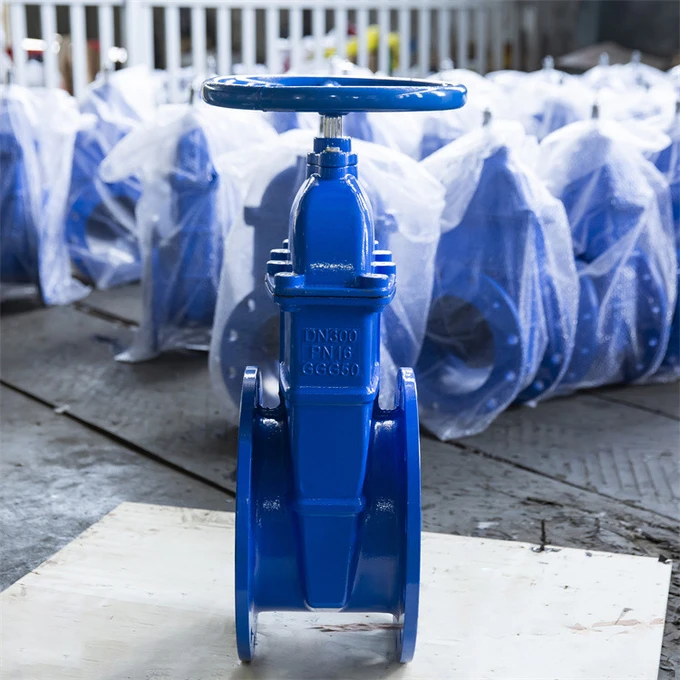
welded globe valve
Understanding Welded Globe Valves A Comprehensive Overview Welded globe valves are vital components
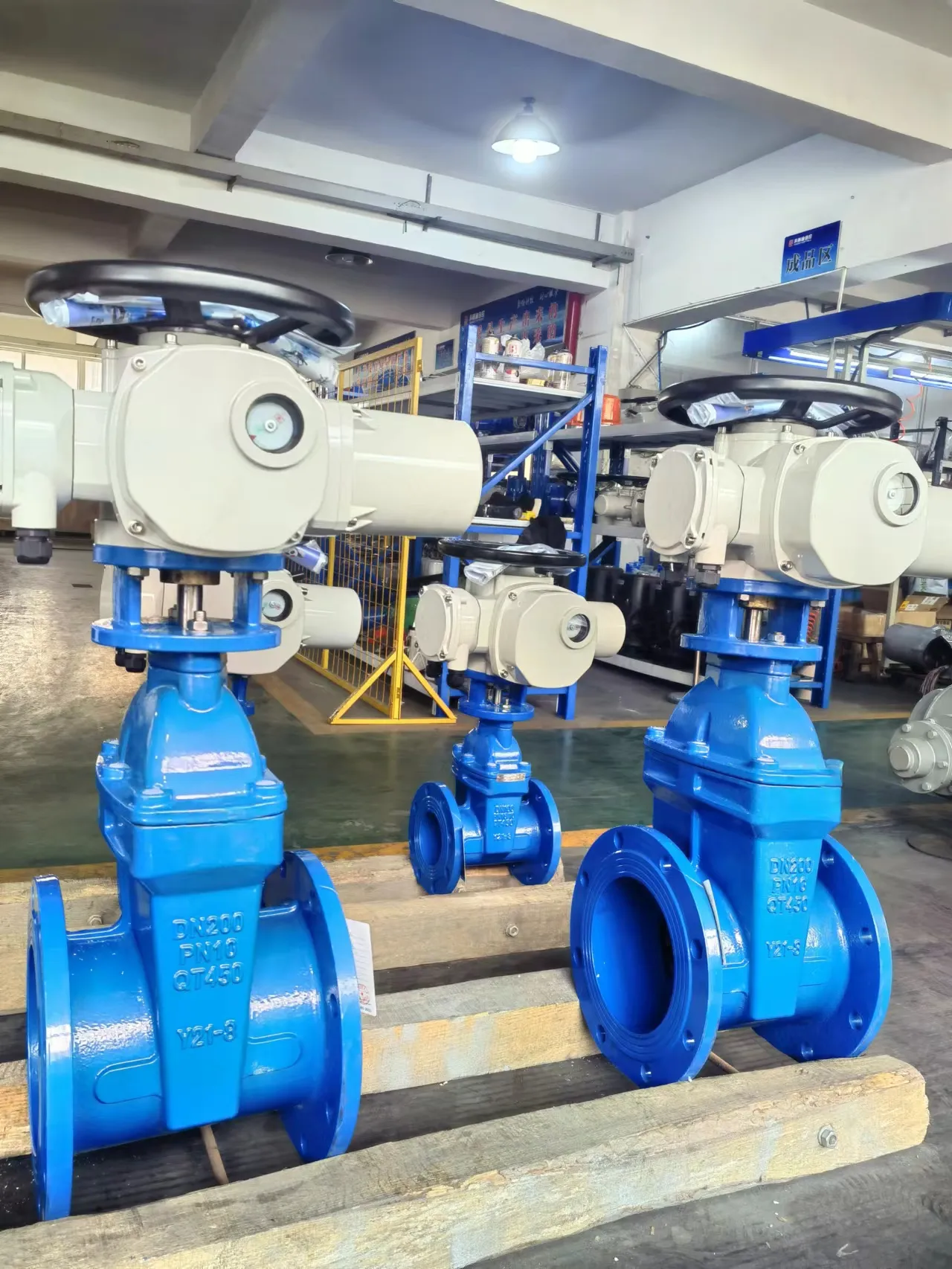
water valve which way is open
Understanding Water Valves Determining the Open Position Water valves play a crucial role in plumbin
Using a Right Angle Ruler for Accurate Measure and Design in Everyday Projects
The Versatility of the Ruler with Right Angle A Tool of Precision and Creativity The ruler with a ri
 English